
How Can You Organize a Storage Shed So You Can Actually Find Everything?
The best way to organize a storage shed is to group similar items into zones, move tools and supplies off the floor, use vertical wall space, label bins, and keep frequently used items within easy reach. Reserve floor space for large equipment such as lawn mowers and wheelbarrows, hang long-handled tools on walls, and place seasonal items on higher shelves.
At Cover All Sheds, we know a shed is most valuable when it makes everyday life easier. Having more outdoor storage is helpful, but simply moving clutter from your garage or home into a shed does not solve the problem if you cannot find anything later. A thoughtful organization system can help you make better use of your shed while keeping lawn equipment, gardening tools, seasonal decorations, and household supplies easy to access. Whether you have a small utility shed or a larger backyard shed, the goal is the same: give everything a designated place so you spend less time searching and more time getting things done.
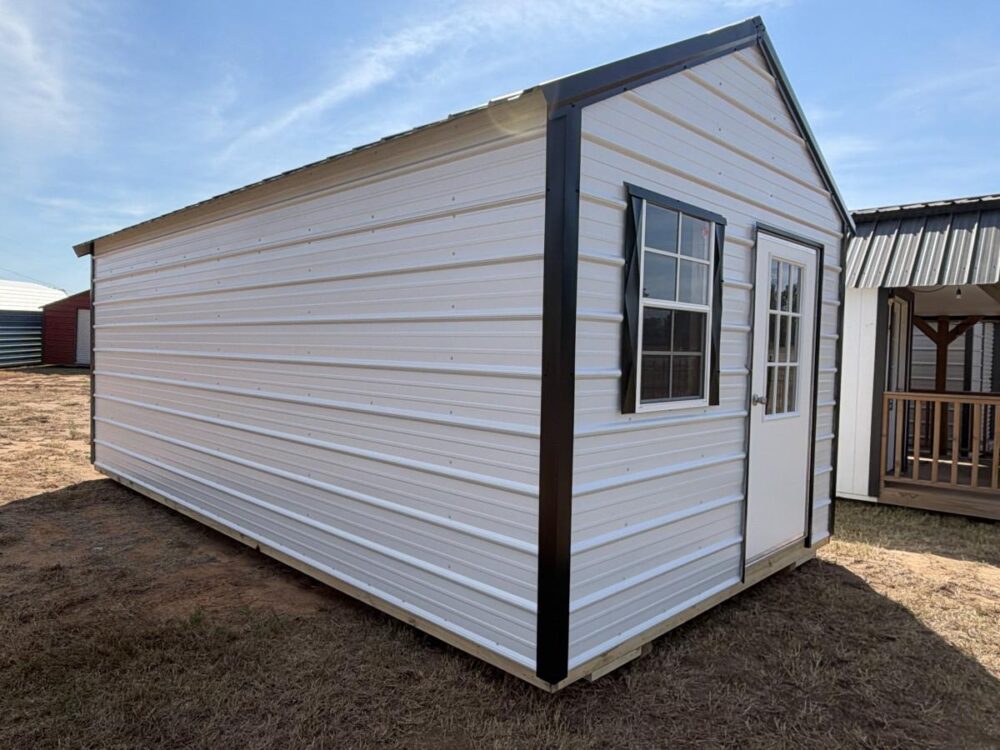
Storage Shed Organization Ideas That Make Outdoor Storage Easier
A well-organized storage shed should be arranged around how often you use your belongings, not simply where everything happens to fit. Everyday tools need to be easy to grab, while seasonal and rarely used belongings can occupy higher or less accessible storage areas.
According to This Old House, an effective shed organization system can combine shelving, hooks, hangers, pegboards, bins, rolling carts, and wall-mounted track systems. Their guidance also emphasizes that shelving and wall storage can maximize vertical space while keeping tools accessible.
The key is to create a system that matches the way you actually use your shed.
Where Should You Start When Organizing a Storage Shed?
Start by taking everything out of the shed and deciding what deserves to go back inside. Trying to organize around existing piles usually makes the job more difficult.
Sort your belongings into categories such as:
- Lawn and garden equipment
- Hand tools
- Power tools
- Automotive supplies
- Sports and recreation equipment
- Seasonal decorations
- Outdoor furniture accessories
- Household overflow
- Items to donate, sell, or discard
This Old House recommends emptying a cluttered shed first, then sorting belongings before installing or rearranging storage systems. This gives you a better view of your available space and makes it easier to group similar items together.
Once everything is sorted, consider how often you use each category. A rake you reach for every weekend should not be behind boxes of holiday decorations you use once a year.
How Can You Use Shed Walls to Create More Storage Space?
Using your walls is one of the most effective ways to organize a shed because it frees valuable floor space and keeps tools visible.
Instead of leaning rakes, shovels, brooms, and other tools in a corner, consider adding appropriate storage features such as:
- Heavy-duty hooks
- Tool racks
- Pegboards
- Adjustable shelving
- Wall-mounted track systems
- Magnetic strips for compatible small metal tools
- Hose and extension-cord hangers
The Home Depot recommends pegboards for hand tools and wall hooks for long-handled tools such as shovels and rakes. This Old House similarly recommends hooks, shelving, pegboards, and customizable track systems as ways to maximize storage space.
Keep in mind that not every shed wall can support the same mounting system or weight. Before installing heavy shelving, hooks, or racks, confirm that the system is appropriate for your shed’s construction and follow the manufacturer’s installation and weight-limit instructions.
What Is the Best Way to Organize Small Items in a Shed?
Put small items into clearly defined, labeled containers rather than letting them collect loosely on shelves and workbenches. Clear bins are especially useful because you can see their contents without opening every container.
For example, you might create separate bins for:
- Gardening gloves
- Sprinkler and hose parts
- Hand tools
- Extension cords
- Hardware
- Sports accessories
- Cleaning supplies
- Seasonal decorations
Label each bin with a broad category that everyone in the household can understand. This Old House specifically recommends labeling shelves or containers, using waterproof tags, or color-coding different categories so items are easier to locate and return to the correct place.
Avoid creating categories that are too specific. If your system takes too much effort to maintain, items are more likely to end up back on the nearest available shelf.
How Should You Arrange a Shed for Lawn Equipment and Seasonal Storage?
Keep heavy, frequently used lawn equipment at floor level with a clear path to the door, then use shelves and higher storage areas for smaller or less frequently used belongings.
A practical utility shed or backyard storage layout might look like this:
- Floor zone: lawn mower, wheelbarrow, pressure washer, and other large equipment.
- Wall zone: rakes, shovels, trimmers, brooms, and hoses.
- Eye-level zone: frequently used hand tools and supplies.
- Shelf zone: labeled containers for smaller belongings.
- Upper storage zone: holiday decorations, camping equipment, and other seasonal items.
This approach keeps the center of your shed from becoming an obstacle course. Your mower should be able to roll out without requiring you to move three boxes, two bicycles, and a wheelbarrow first.
Good Housekeeping similarly recommends thinking about storage needs and the interior layout before selecting or setting up a backyard shed. Measuring equipment and considering how you will actually move through and use the space can help create a more practical storage arrangement.
How Do You Keep a Storage Shed Organized Long Term?
The easiest shed organization system to maintain is one where every item has an obvious home. If putting something away requires rearranging half the shed, clutter will probably return.
A few simple habits can make a major difference:
- Return tools to their hooks after each use.
- Put small supplies back into labeled bins.
- Keep the walkway and doorway clear.
- Avoid placing new items on the floor without assigning them a permanent location.
- Review seasonal belongings periodically.
- Remove broken or unused items instead of storing them indefinitely.
Think about accessibility as you organize. Frequently used items should be between easy reaching heights whenever possible, while rarely used items can go higher or farther back.
This system can also help you determine whether your current shed is truly too small. Sometimes better organization solves the problem. Other times, organizing reveals that you have simply outgrown your available outdoor storage.
FAQ: How to Organize a Storage Shed
What should you put on storage shed shelves?
Shelves work well for labeled bins, gardening supplies, hand tools, pots, sports equipment, and other smaller belongings. Keep heavier items on sturdy lower shelves and lighter, less frequently used items higher up.
How do you organize a small shed with a lot of stuff?
Use as much appropriate vertical space as possible. Wall hooks, racks, pegboards, shelves, and stackable labeled bins can reduce floor clutter while making individual items easier to find.
Should you use clear or solid storage bins in a shed?
Clear bins make it easier to identify contents quickly, while labels make the system even more effective. Choose containers suited to the conditions inside your shed and the belongings you plan to store.
How do you know when you need a bigger storage shed?
If your current shed remains overcrowded after decluttering and organizing, or you cannot maintain clear access to large equipment and frequently used tools, additional storage capacity may be worthwhile. Consider both your current belongings and the equipment you may need to store in the future.
Create Outdoor Storage That Actually Works for You
A storage shed should do more than give clutter somewhere to go. The right shed, combined with a practical organization system, can make your tools easier to find, protect valuable floor space, and help keep your home, garage, and backyard more organized.
Start by decluttering, create storage zones, use the walls, label smaller items, and protect a clear path for large equipment. If you are still running out of room, it may be time to explore a storage shed that better fits your needs.
Ready for more organized outdoor storage? Contact Cover All Sheds today to explore storage sheds designed to give your belongings the space they need.