
What Should You Store in a Shed Before Fall and Winter Arrive?
Before fall and winter arrive, store warm-weather lawn equipment, gardening tools, patio accessories, outdoor toys, seasonal decorations, and other weather-sensitive outdoor items in your shed. A well-organized storage shed protects these belongings from rain, snow, wind, and temperature changes while freeing up valuable space in your garage, yard, and home.
At Cover All Sheds, we understand that a shed is more than a place to put things you do not use every day. The right outdoor storage space helps homeowners stay organized, protect their belongings, and make seasonal transitions easier. Whether you need room for lawn equipment, gardening supplies, recreational gear, or holiday decorations, choosing a shed with enough usable space can simplify storage throughout the year. From small utility sheds to larger backyard sheds, Cover All Sheds helps customers find practical storage solutions that fit their property and their needs.
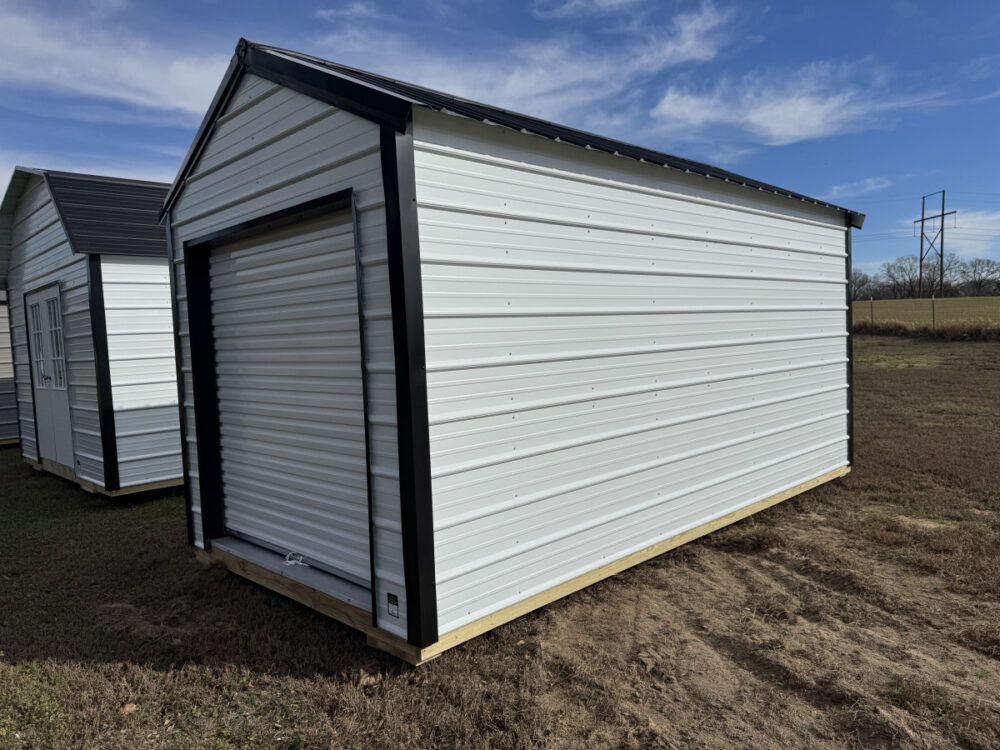
How to Prepare Your Outdoor Storage for Fall and Winter
Preparing your shed before colder weather arrives starts with deciding which items you will not need regularly until spring. Move summer equipment and outdoor belongings into protected storage, organize them by category, and keep anything you may need during fall or winter easy to reach.
A little planning now can save time, protect your belongings, and prevent your garage or home from becoming crowded as outdoor activities wind down.
What Lawn and Garden Equipment Should Go in the Shed?
Lawn and garden equipment that will see little or no use during the colder months should be cleaned and stored in the shed. Keeping equipment protected from prolonged exposure to moisture and harsh weather can help preserve its condition.
Common items to move into a storage shed include:
- Lawn mowers
- String trimmers and edgers
- Leaf blowers
- Garden hoses
- Wheelbarrows
- Rakes, shovels, and hoes
- Pruning tools
- Garden carts
- Empty planters and pots
- Watering cans
- Lawn spreaders
Before putting equipment away, remove dirt, grass clippings, and other debris. Make sure tools and equipment are dry before storing them to help limit rust and moisture-related damage.
Gas-powered lawn equipment also requires additional preparation. The U.S. Environmental Protection Agency recommends maintaining lawn and garden equipment according to manufacturer guidelines and storing fuels, chemicals, and equipment in a cool, dry, well-ventilated space. For extended winter storage, the EPA notes that gasoline may need to be emptied or treated with an appropriate stabilizer. Always follow the equipment manufacturer’s instructions for winterization.
Should Patio Furniture and Outdoor Accessories Be Stored for Winter?
Patio accessories and smaller outdoor furnishings can benefit from covered storage when they will not be used for several months. Moving these items into an outdoor storage shed can reduce their exposure to moisture, dirt, falling leaves, ice, and winter weather.
Depending on the size of your shed, consider storing:
- Patio cushions and pillows
- Umbrellas and lightweight furniture
- Outdoor rugs
- Grilling accessories
- Decorative planters
- Yard decorations
- Outdoor games
- Pool accessories
- Gardening décor
Clean and thoroughly dry fabric items before storing them. Use labeled, sealed storage bins for cushions, decorations, and smaller accessories so they remain organized and are easier to find when spring returns.
Large utility sheds can be especially helpful for homeowners who need to store bulky seasonal items without filling the garage. If you are shopping for sheds for sale, think beyond your immediate storage needs and consider how much space your outdoor belongings require throughout every season.
How Should You Organize a Shed for Seasonal Storage?
The best way to organize a shed for fall and winter is to put spring and summer items toward the back while keeping cold-weather essentials within easy reach.
Start by grouping similar items together. Gardening tools can occupy one section, recreational gear another, and seasonal decorations can be stored together in clearly labeled containers.
Vertical space is valuable, too. Depending on the shed and its design, shelves, hooks, pegboards, and storage racks can help keep frequently used items off the floor. Avoid blocking doors, windows, vents, or walking paths.
A simple seasonal layout might look like this:
- Back of the shed: Summer-only items and equipment you will not need until spring.
- Upper shelves: Lightweight seasonal decorations and labeled storage bins.
- Side walls: Long-handled tools, hoses, and other items suitable for secure wall storage.
- Front of the shed: Items you may need during fall and winter, such as rakes, snow tools, or holiday decorations.
Leave enough open space to safely enter the shed and retrieve an item without having to unload everything in front of it.
What Should You Avoid Storing Improperly in a Shed?
Not everything should simply be placed in a shed and forgotten until spring. Flammable liquids, chemicals, batteries, food, electronics, and temperature-sensitive belongings may require special handling or a different storage location.
Gasoline deserves particular attention. The National Fire Protection Association advises storing gasoline in a tightly capped, approved gasoline container and keeping it away from heat, sparks, or flames. NFPA guidance also says gasoline should never be stored inside the home or basement and identifies a garage or garden shed as appropriate locations when proper safety precautions are followed.
Always check manufacturer labels for paints, pesticides, fertilizers, batteries, power equipment, and other products before leaving them in an unconditioned shed through winter. Local regulations and product-specific storage requirements should also be followed.
Is Your Current Shed Large Enough for Winter Storage?
Your shed should have enough room for seasonal belongings without forcing you to stack, cram, or block access to frequently used items. If every fall becomes a game of rearranging equipment just to close the door, you may have outgrown your current storage space.
When comparing storage sheds for sale, make a list of the largest items you plan to store. A lawn mower, wheelbarrow, patio furniture, bicycles, and large equipment can consume floor space quickly.
Think about future needs as well. An 8 x 10 shed, small utility shed, large utility shed, wood shed, or metal storage shed may each work well for different households. The best choice depends on your available backyard space, the size and quantity of your belongings, and how you want to use the shed throughout the year.
Frequently Asked Questions About Fall and Winter Shed Storage
What should I put in my shed for winter?
Store clean, dry lawn and garden equipment, patio accessories, outdoor toys, gardening tools, seasonal décor, and other warm-weather items that do not need to remain outside. Follow manufacturer instructions for anything containing fuel, chemicals, or batteries.
Should I clean my lawn mower before storing it for winter?
Yes. Remove grass and debris before seasonal storage and follow the manufacturer’s winterization instructions. EPA materials also recommend regular maintenance and proper storage of lawn and garden equipment.
How can I keep items organized in a storage shed?
Group similar items together, use labeled bins, take advantage of shelves or wall storage where appropriate, and keep frequently needed items near the entrance. Maintain a clear walkway so you can safely reach stored belongings.
Is it worth getting a larger shed for seasonal storage?
A larger shed can be useful if lawn equipment, patio furnishings, recreational gear, and seasonal decorations are overcrowding your current storage area. Choosing enough space for both current and future needs can make year-round organization much easier.
Get Your Outdoor Storage Ready for Every Season
A well-planned backyard shed gives seasonal belongings a dedicated place to go and makes the transition from summer to fall and winter much simpler. Instead of crowding your garage or leaving equipment exposed outdoors, you can keep tools, lawn equipment, patio accessories, and seasonal items organized in one convenient location.
Need more room before fall and winter arrive? Explore the storage shed options available from Cover All Sheds and contact us to find the right outdoor storage solution for your home.